Employment Law

DOL's 2026 Proposed Rule: Easier Independent Contractor Classifications with Core Focus on Control and Profit/Loss

DOL’s 2026 Proposed Rule: Easier Independent Contractor Classifications with Core Focus on Control and Profit/Loss

The U.S. Department of Labor (DOL) has proposed another revision to independent contractor regulations, one that would provide for more leeway in classifying workers as contractors. DOL’s proposed rule, published on February 26, 2026, would rescind the Biden DOL’s March 2024 independent contractor regulation and reinstate a framework substantially tracking the prior Trump rule of […]

DOL’s 2026 Proposed Rule: Easier Independent Contractor Classifications with Core Focus on Control and Profit/Loss Read More »

Big EEOC Change in January 2026: Why Harassment Compliance Still Matters the Same

Big EEOC Change in January 2026: Why Harassment Compliance Still Matters the Same

The EEOC rescinded its 2024 Harassment Guidance in January 2026 — but don’t panic. Core laws, liability standards, and best practices for handling workplace harassment complaints remain unchanged. For small and mid-sized employers, the focus stays on prompt investigations, trusted reporting channels, consistent discipline, and strong documentation to minimize risks — no matter the agency’s enforcement tone.

Big EEOC Change in January 2026: Why Harassment Compliance Still Matters the Same Read More »

Avoiding Workplace Retaliation Claims: Essential Best Practices for Employers

Avoiding Workplace Retaliation Claims: Essential Best Practices for Employers

Retaliation claims remain one of the most frequent and difficult employment issues to defend. Learn the legal basics, protected activities, and 8 key best practices—including strong no-retaliation policies, prompt investigations, consistent documentation, and legal oversight—to help employers reduce risk and maintain compliance.

Avoiding Workplace Retaliation Claims: Essential Best Practices for Employers Read More »

Minnesota's New Paid Leave Program: Does It Cover Fear of Civil Unrest from Protests and Immigration Enforcement?

Minnesota’s New Paid Leave Program: Does It Cover Fear of Civil Unrest from Protests and Immigration Enforcement?

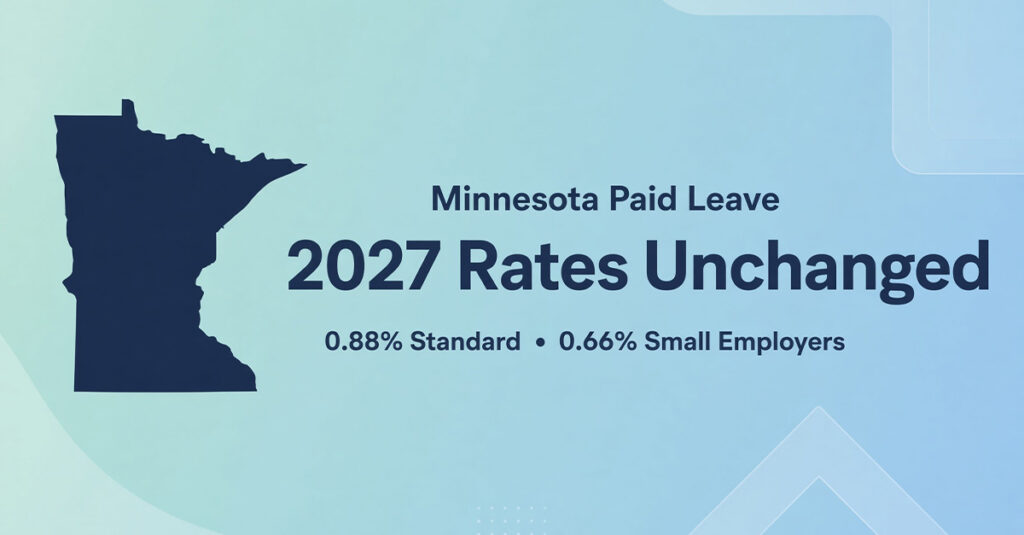
Minnesota’s Paid Leave Program (often referred to as Minnesota Paid Leave) officially took effect on January 1, 2026, creating a statewide paid family and medical leave benefit for most employees working in Minnesota. The law provides partial wage replacement and job protection for qualifying family and medical events. The Upshot Key features of the law

Minnesota’s New Paid Leave Program: Does It Cover Fear of Civil Unrest from Protests and Immigration Enforcement? Read More »

What the DOJ's Challenge to Minnesota's Affirmative Action Means for Workplace DEI

What the DOJ’s Challenge to Minnesota’s Affirmative Action Means for Workplace DEI

The U.S. Department of Justice’s January 14, 2026 lawsuit against the State of Minnesota continues the evolving relationship between civil rights law and workplace DEI efforts. Filed under Title VII, the complaint challenges Minnesota’s long‑standing affirmative action framework for state employment—arguing that the state’s use of race‑ and sex‑conscious hiring goals, demographic availability analyses, and

What the DOJ’s Challenge to Minnesota’s Affirmative Action Means for Workplace DEI Read More »

The Rise of AI Deepfakes: Weaponized Harassment in the Modern Workplace

The Rise of AI Deepfakes: Weaponized Harassment in the Modern Workplace

A California appellate court recently affirmed a jury verdict awarding $4 million to a police captain who was subjected to a hostile work environment after a sexually explicit, AI-generated image resembling her was widely circulated in the workplace, holding that the dissemination of such fabricated content constituted unlawful harassment under California law. In a separate

The Rise of AI Deepfakes: Weaponized Harassment in the Modern Workplace Read More »

Reminder: Compliance with Minnesota's Employee Wage Notice Requirement

Reminder: Compliance with Minnesota’s Employee Wage Notice Requirement

As a reminder to all our clients and friends, please ensure that you are complying with this requirement. The Minnesota Department of labor has recently announced if they will be auditing employers to ensure they are meeting their requirements. This regulation is separate and distinct from the Wage Theft Law. if you have any questions

Reminder: Compliance with Minnesota’s Employee Wage Notice Requirement Read More »

The Employer’s Playbook: Communicating Through a Crisis Without Creating New Legal Risks

In the wake of any crisis, stress and tensions run high. As a result, employers may be inclined to communicate prematurely, over- or under-communicate, or otherwise communicate without thinking about the potential legal repercussions that could follow (for example, regulatory scrutiny, shareholder lawsuits, employee lawsuits, etc.). To avoid a misstep that might compound a crisis,

The Employer’s Playbook: Communicating Through a Crisis Without Creating New Legal Risks Read More »

Minnesota Paid Family and Medical Leave (PFML): 2025–2026 Transition Checklist for Employers

Minnesota Paid Family and Medical Leave (PFML): 2025–2026 Transition Checklist for Employers

To handle pre-existing leave that transitions to Minnesota’s Paid Family and Medical Leave (PFML), continue benefits, and track leave usage as the new law takes effect in 2026, you must first ensure that any leave taken in 2025 is counted against the employee’s prior leave entitlements and that leave starting in 2026 is subject to the

Minnesota Paid Family and Medical Leave (PFML): 2025–2026 Transition Checklist for Employers Read More »